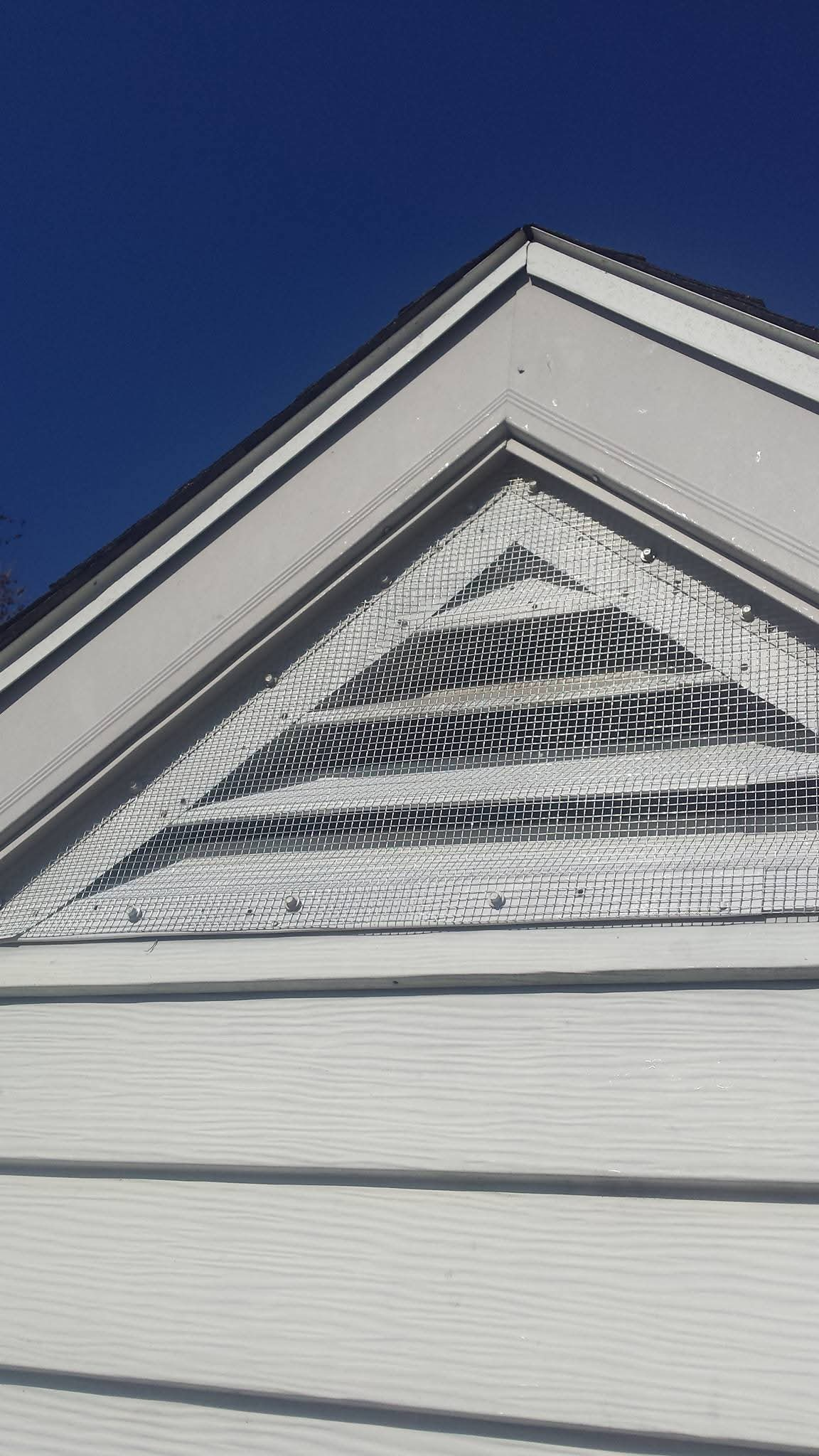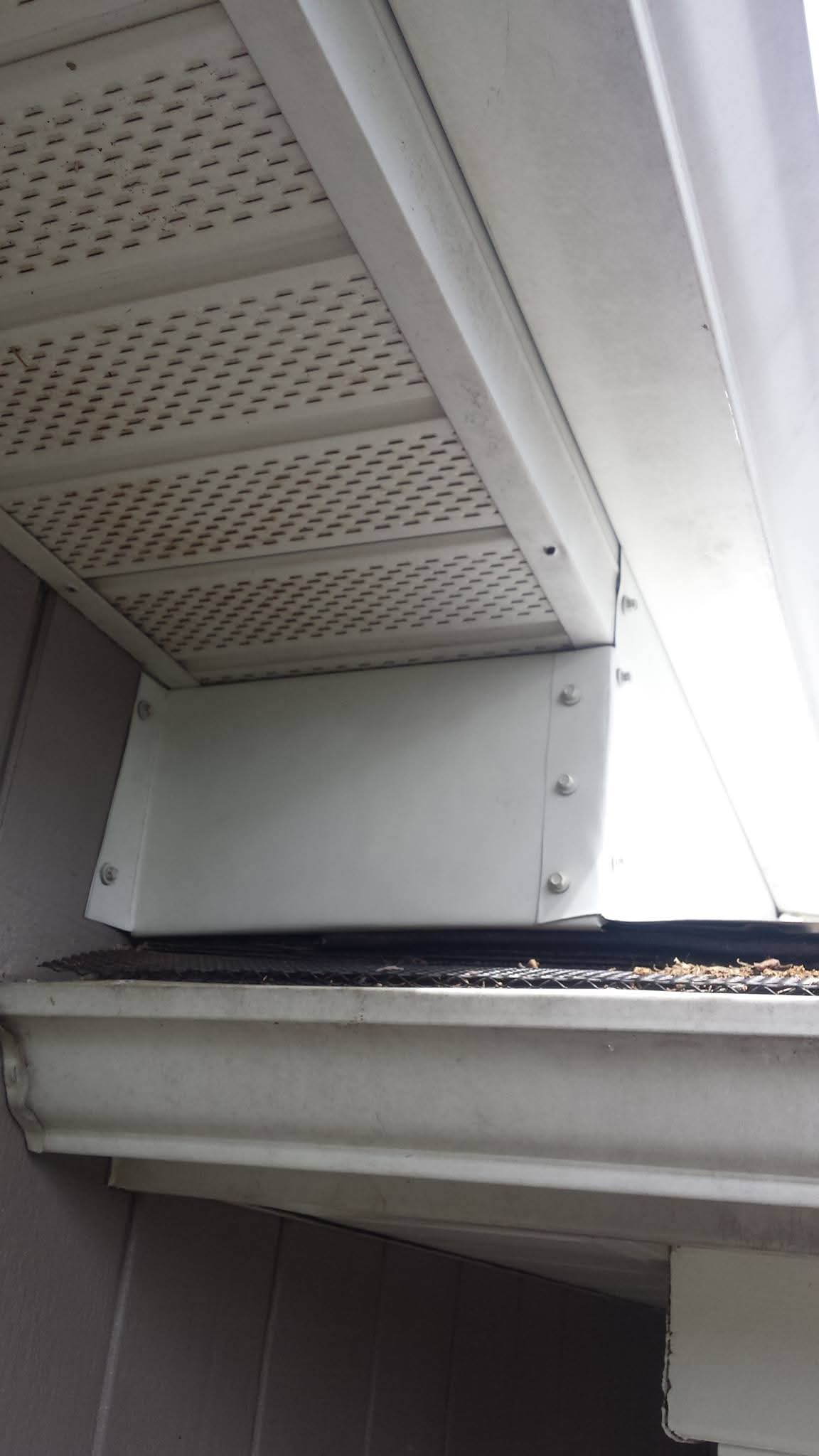
Removing a nuisance animal solves the immediate problem. Wildlife exclusion helps solve the reason it was able to get inside in the first place.
At Heidel’s Wildlife Control Service, we identify the openings and vulnerable areas wildlife can use to enter your home, make the needed repairs, and help protect those areas from future problems.
From Alton and Godfrey to Edwardsville, Highland, and surrounding Metro East communities, our goal is a more complete solution: remove the wildlife, repair the damage, and help keep it from coming back.
You do not always need to see an animal to know wildlife may be getting into your home. Scratching, thumping, squeaking, or movement in an attic or wall can be one of the first signs that something has found its way inside.
Other signs can include visible gaps or damaged areas around the exterior, repeated wildlife activity near the roofline, droppings or nesting material, disturbed insulation, or a wildlife problem that keeps coming back.
If you are not sure where animals are getting in, Heidel’s can inspect the property, identify likely entry points, and recommend the right next steps.
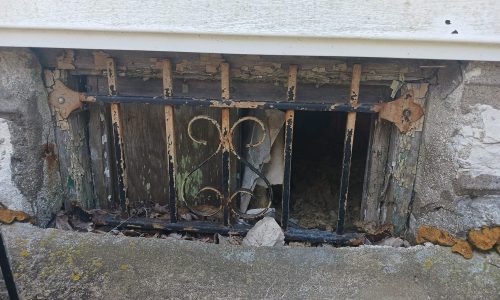
Wildlife exclusion is the process of identifying and closing the openings animals use to get into a home or building.
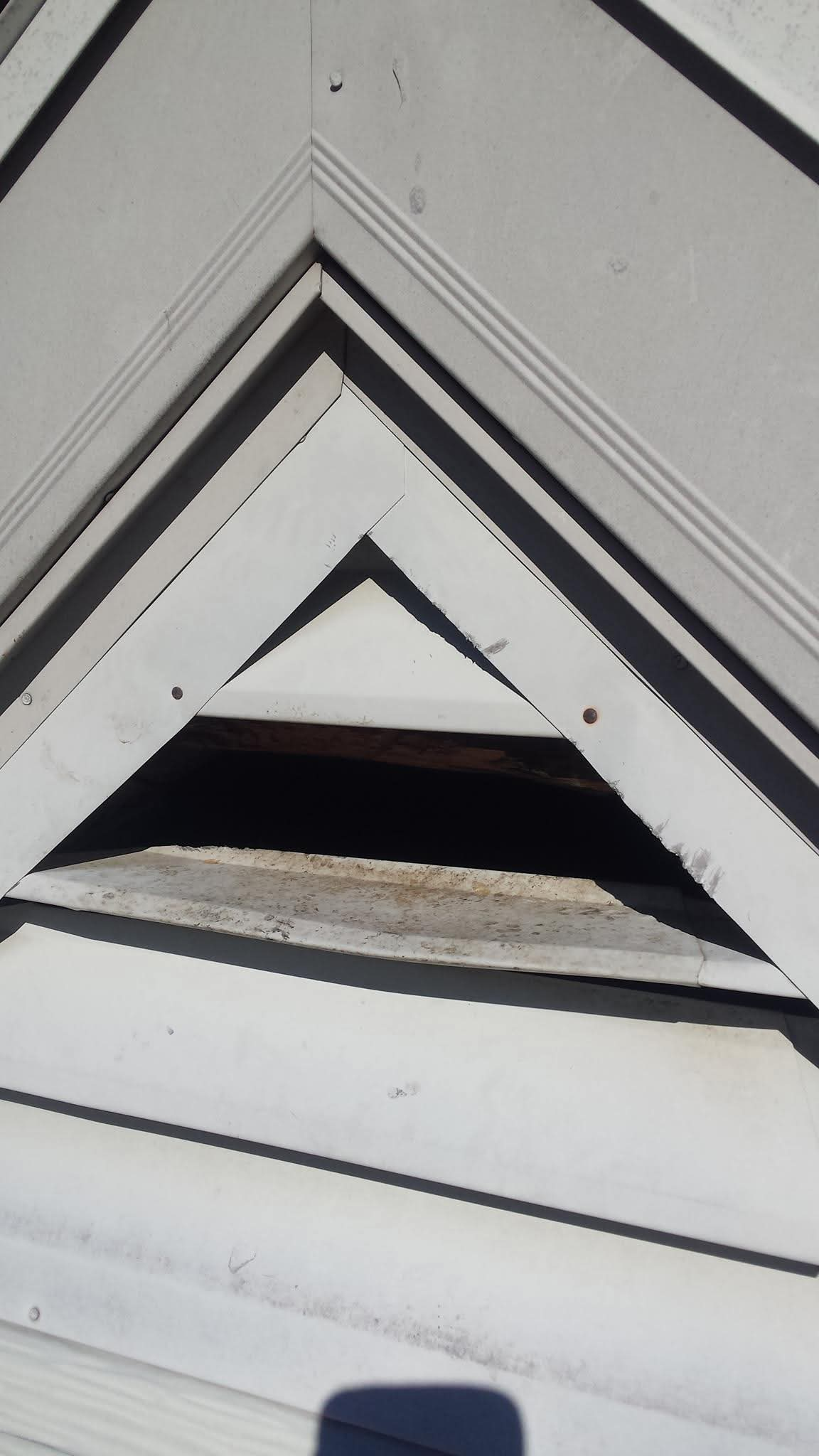
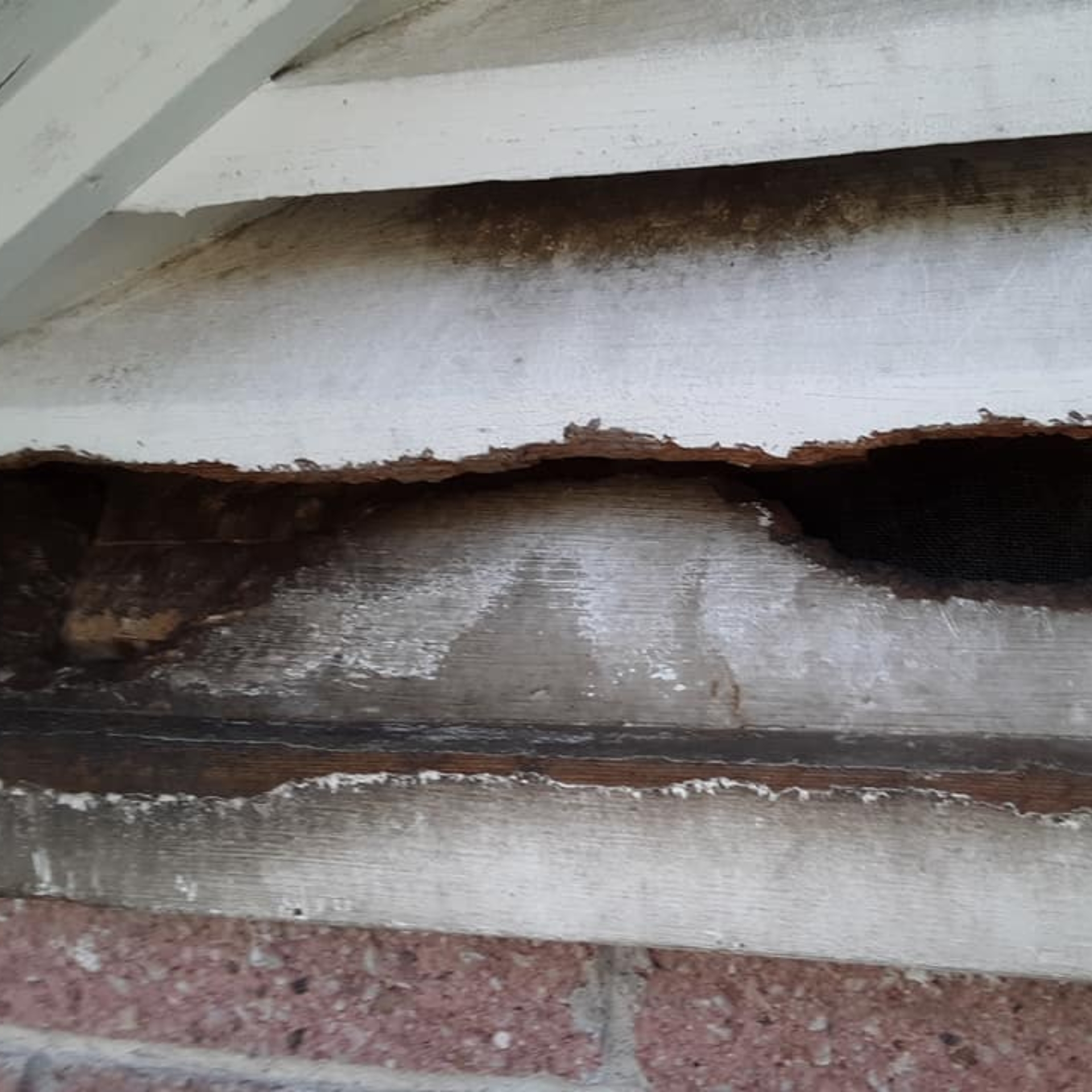
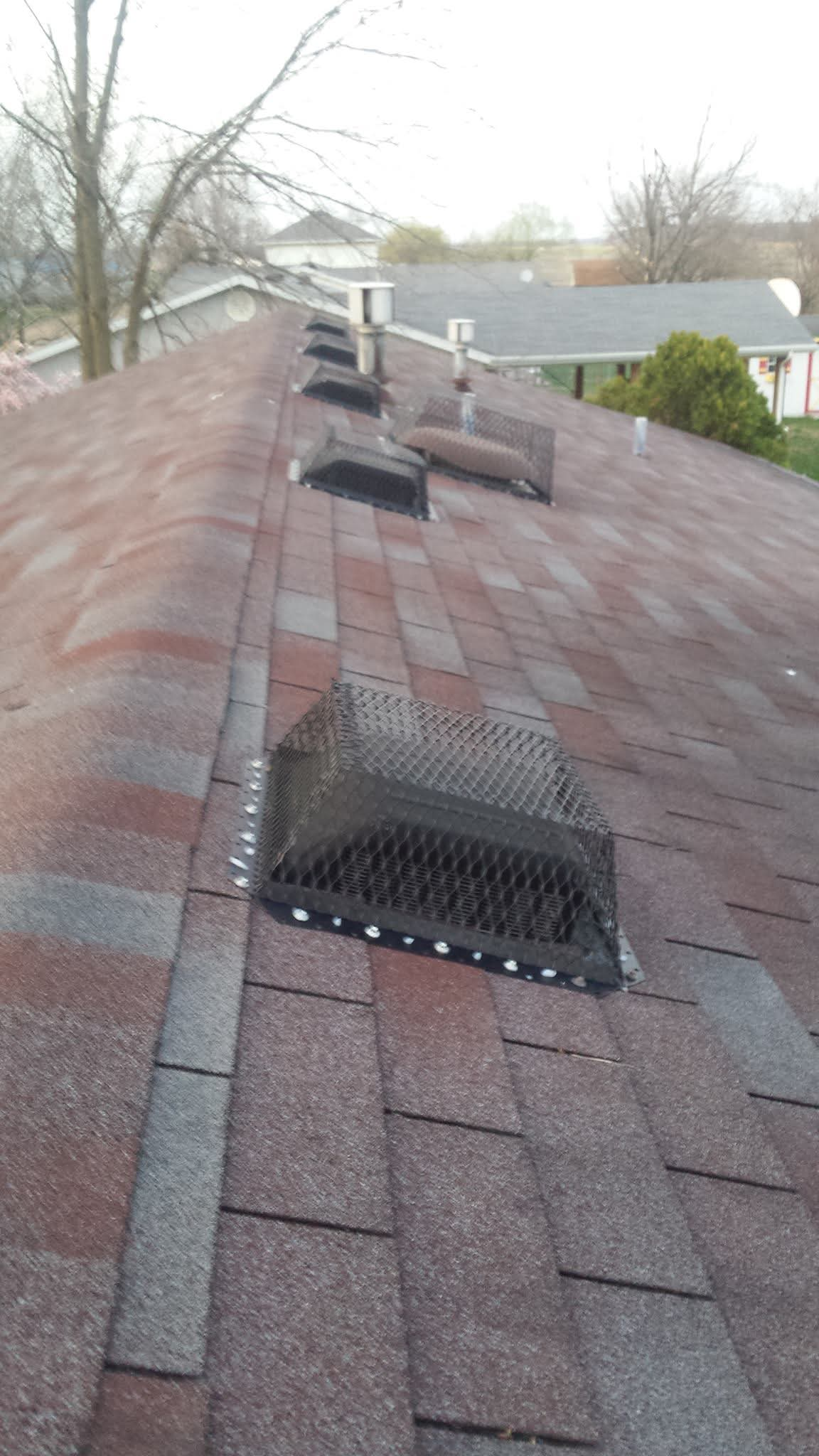
That may mean repairing damaged areas, sealing gaps, securing vents, reinforcing vulnerable parts of the roofline, or addressing other access points around the structure.
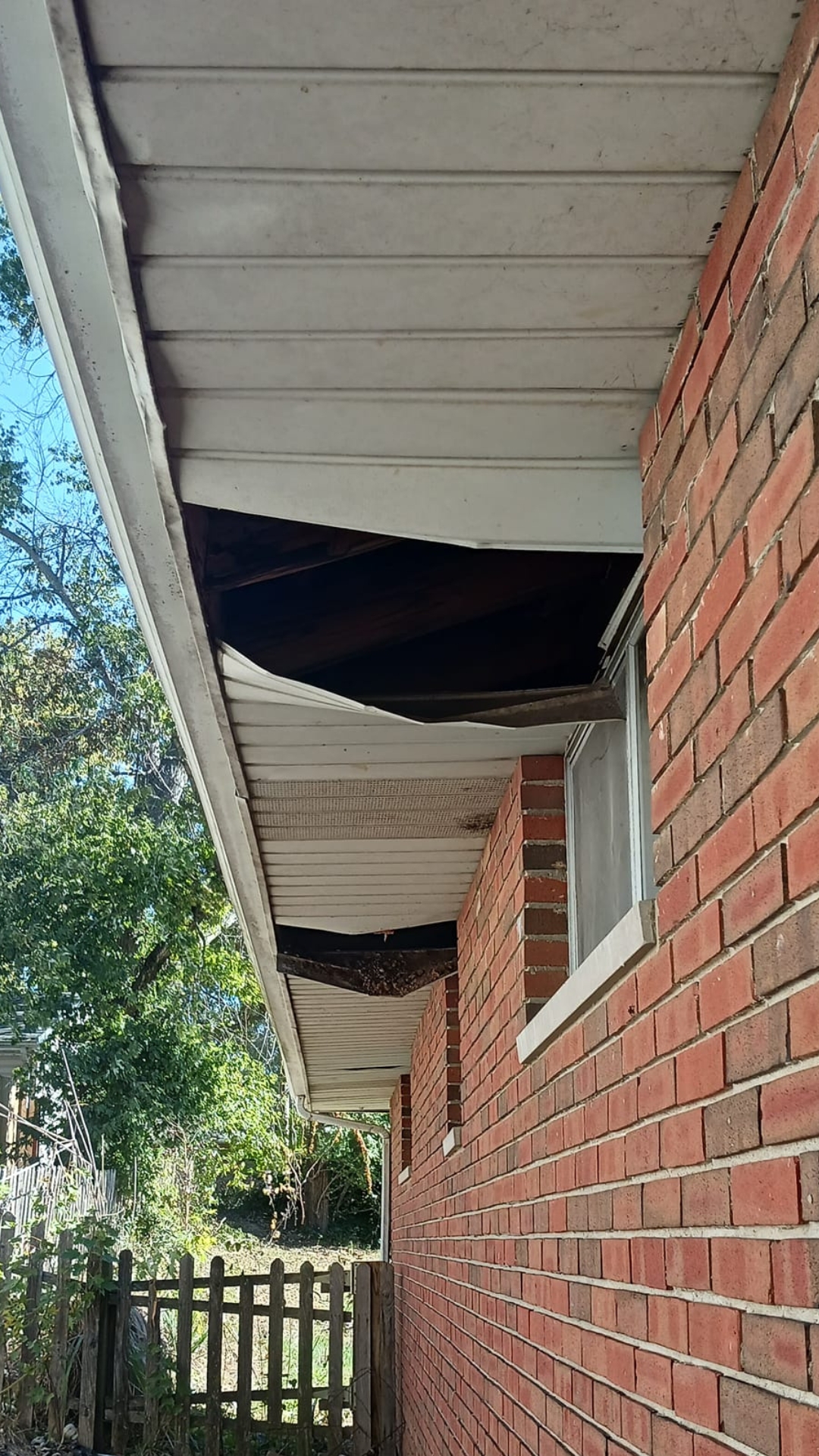
The exact work depends on the animal and the home. A bat may use a very small gap near a roofline, while a raccoon may take advantage of a larger weak point around a soffit or vent. Good exclusion work starts with understanding how the wildlife is using the property.
If an animal found a way into your attic, soffit, crawlspace, chimney, garage, or another protected area, simply removing that animal may leave the home open to the same problem again.
The original animal may be gone, but the opening is still there.
Another raccoon, squirrel, bat, or other nuisance animal can take advantage of the same access point later. Exclusion addresses that vulnerability so the solution is not just about today’s wildlife problem.
Every home and every wildlife problem is different, so exclusion starts with understanding how animals are using the property and where the structure is vulnerable.
Heidel’s looks at the full problem, not just the animal itself.
We look for signs of wildlife activity, likely entry points, existing damage, and other vulnerable areas around the structure.
If animals are currently using the structure, the wildlife issue needs to be handled appropriately before active entry points are permanently closed.
Once it is appropriate to do so, we can repair damage and secure the openings wildlife has been using to enter the home.
The goal is not only to close one obvious hole. We also look for other areas that could become future access points and recommend ways to make the home less inviting to nuisance wildlife.
The result is a more complete solution that addresses both the immediate problem and the weak points that helped create it.
Wildlife can take advantage of surprisingly small or easily overlooked openings around a home. Common problem areas include soffits and fascia, rooflines, attic and roof vents, chimneys, flashing, utility penetrations, crawlspaces, garages, and places where building materials meet.<\/p>
Different animals use homes in different ways, so the work needs to match the wildlife problem. Raccoons may exploit larger weak points, while bats can use very small gaps and require properly timed exclusion before active openings are sealed.<\/p>
There is no one-size-fits-all exclusion package.Heidel’s evaluates the home and the wildlife activity so repairs and prevention work can be matched to the actual problem.
Wildlife removal addresses the animal that is currently causing the problem. Exclusion addresses the openings and vulnerable areas that allowed the animal to enter, helping reduce the chance of the same problem happening again.
Not always. If wildlife is still inside, sealing an active opening too soon can trap animals in the structure. The wildlife problem needs to be handled appropriately before active entry points are permanently closed.
Common areas include soffits, fascia, rooflines, vents, chimneys, flashing, utility penetrations, crawlspaces, garages, and other gaps or damaged areas around the exterior.
Yes. Bat control is a good example of why proper exclusion matters. Bats are typically allowed to leave through managed exit points before openings are permanently sealed, and the work must be performed at the appropriate time of year.
Yes. Heidel’s can address many of the damaged or vulnerable areas associated with wildlife entry, helping homeowners move from simply removing the animal to solving the larger problem.
Exclusion is designed to make a home more difficult for nuisance wildlife to enter by correcting the access points and vulnerabilities that can be addressed. No home can be guaranteed immune to every future wildlife problem, but properly repairing and securing weak points can greatly reduce the opportunity for animals to get back inside.
The cost depends on the property, the number and location of entry points, the type of wildlife involved, and the repair or reinforcement work needed. Contact Heidel’s at 1 (618) 314-3163 so we can learn more about the situation and recommend the right next step.
Heidel’s serves homeowners throughout Alton, Godfrey, Edwardsville, Highland, and surrounding communities in the Metro East area. If you are unsure whether your property is within our service area, just give us a call at 1 (618) 314-3163.
Heidel’s Wildlife Control Service has been helping property owners solve nuisance wildlife problems since 2006. We provide wildlife removal, damage repair, and exclusion services throughout Alton, Godfrey, Edwardsville, Highland, and surrounding communities.
If you have had animals in the attic, found damage around your home, or want to address vulnerable areas before the next wildlife problem develops, we can help you figure out the right next step.