
Raccoon Removal in Alton & the Metro East
Hearing noises in the attic? Found damage around your roof, soffit, chimney, or garage? A raccoon can quickly turn from a nuisance into an expensive problem.
At Heidel’s Wildlife Control Service, we safely and humanely remove nuisance raccoons, identify how they’re getting into your property, repair the damage they leave behind, and help keep them from coming back.
From Alton and Godfrey to Edwardsville, Highland, and surrounding Metro East communities, we’re here to help you take back your home with professional, no-hassle service you can trust.
Signs You May Have a Raccoon
Raccoons are active at night, so many homeowners hear the problem before they ever see the animal. Scratching, thumping, or movement in the attic after dark can be one of the first signs that something has found its way inside.
Other signs of raccoon activity can include:
Damage around soffits, vents, rooflines, or other entry points
Disturbed or damaged insulation in the attic
Droppings or strong odors
Scratching or movement in ceilings and walls
Tracks, overturned trash, or other activity around the property
Visible damage where an animal has forced its way into a structure
If you’re hearing noises but aren’t sure what kind of animal is inside, that’s okay. Heidel’s can help identify the problem, determine how the animal is getting in, and recommend the right next steps.
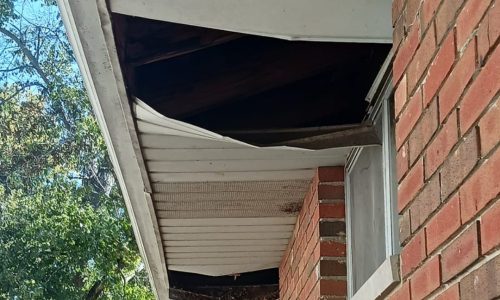
Other Signs of Raccoon Activity Can Include:
- Damage around soffits, vents, rooflines, or other entry points
- Disturbed or damaged insulation in the attic
- Droppings or strong odors
- Scratching or movement in ceilings and walls
- Tracks, overturned trash, or other activity around the property
- Visible damage where an animal has forced its way into a structure
Why Raccoons Get Into Homes
Raccoons are smart, curious animals that are always looking for a safe place to shelter, rest, and raise their young. Attics, garages, chimneys, soffits, and other protected areas around a home can give them exactly what they’re looking for.
Sometimes a raccoon will take advantage of an existing opening. Other times, they can pull apart or damage weaker areas around a roofline, vent, soffit, or other entry point to get inside.
Once they find a way in, simply removing the raccoon may not solve the whole problem. If the opening is left unaddressed, another animal may use the same access point later.
That’s why Heidel’s looks at more than just the animal itself. Identifying how the raccoon got in is an important part of helping protect your home and reducing the chance of the problem happening again.
Raccoon Damage & Why It Matters
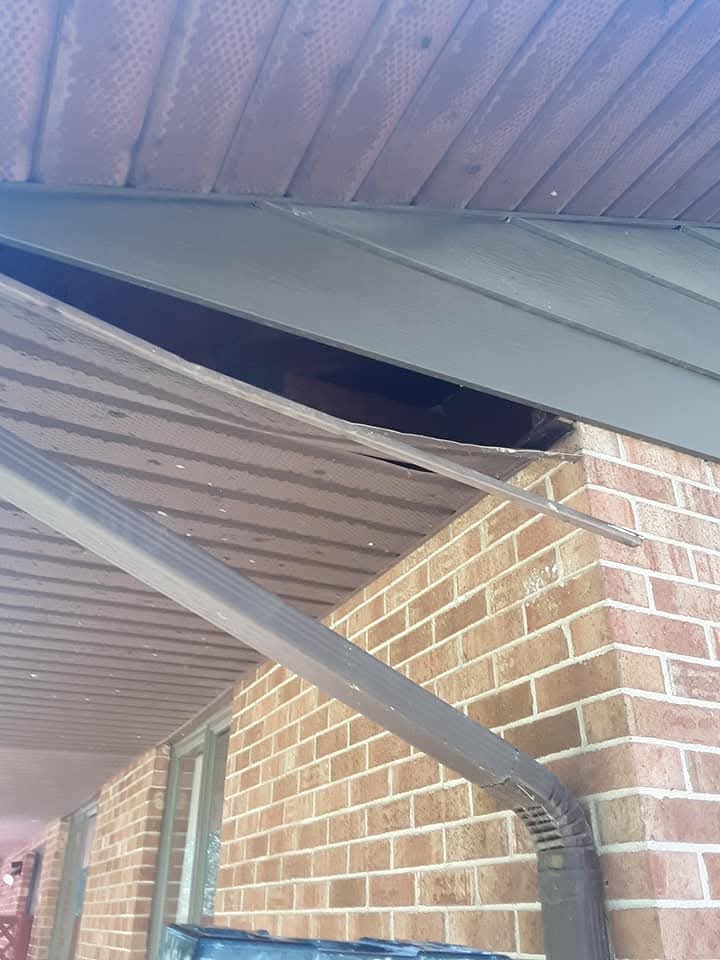
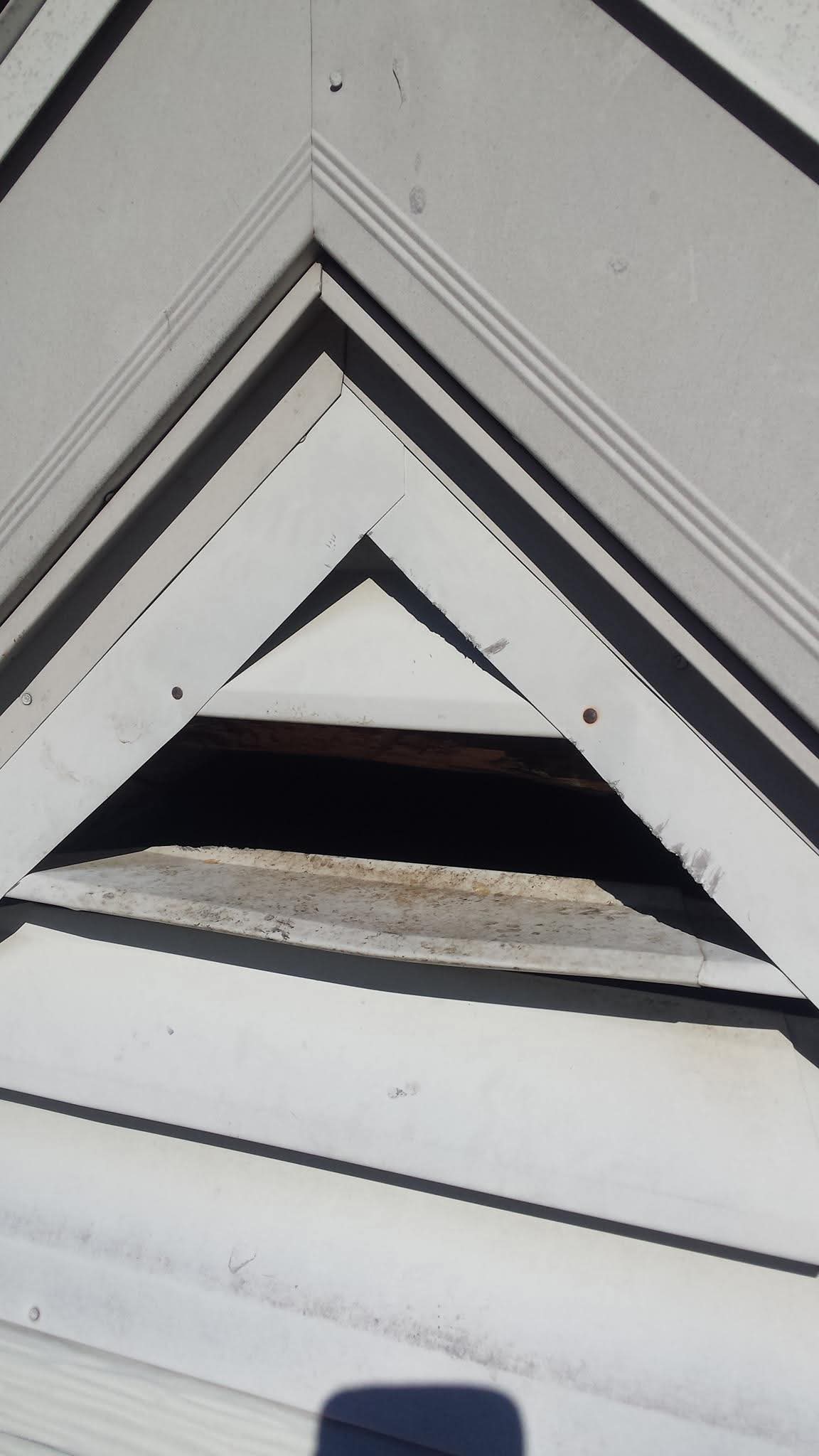
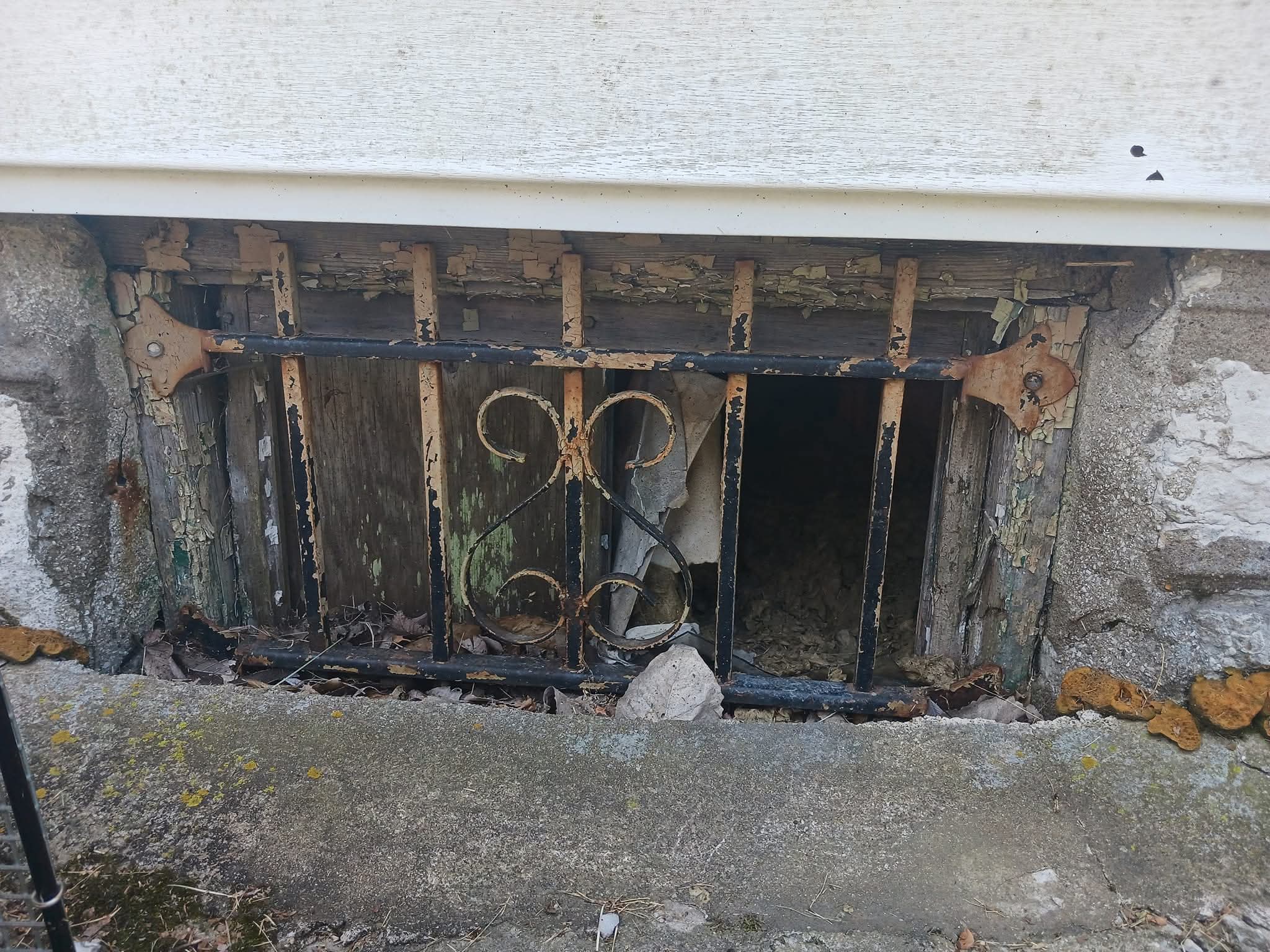
Raccoons can cause a surprising amount of damage once they get into a home. In many cases, the animal is only part of the problem.
They may tear into soffits, vents, roofing, or other weak points to gain access. Once inside, they can disturb insulation, damage stored items, leave behind droppings and odors, and create additional problems if the entry point is not repaired.
Raccoons can also damage wiring or other materials in an attic, which can turn a wildlife problem into a larger home repair or safety concern.
That’s why Heidel’s looks at the full situation. The goal is not only to remove the raccoon, but also to identify and address the damage it caused and help prevent future wildlife from using the same opening.
How Heidel's Handles Raccoon Problems
Every raccoon problem is a little different, so the first step is understanding what is happening and how the animal is getting into the property.
Heidel’s looks at the full problem, not just the animal itself.
30+
YEARS OF EXPERIENCE
100%
CUSTOMER SATISFACTION
100%
HUMANE REMOVAL
Remove The Raccoon
We identify the wildlife issue and take the appropriate steps to safely and humanely remove the raccoon from the property.
Identify the Entry Point
Once the immediate problem is addressed, we look for the areas the raccoon used to get inside and other weak points that could lead to future wildlife problems.
Repair the Damage
When needed, Heidel’s can repair damage caused by wildlife or damage created around entry points such as soffits, vents, rooflines, and other areas of the home.
Help Keep Them Out
The final step is helping prevent the same problem from happening again. By addressing entry points and vulnerable areas, we can make the home less accessible to raccoons and other nuisance wildlife.
The goal is a complete solution that takes care of the current problem while helping protect your home from future wildlife damage.
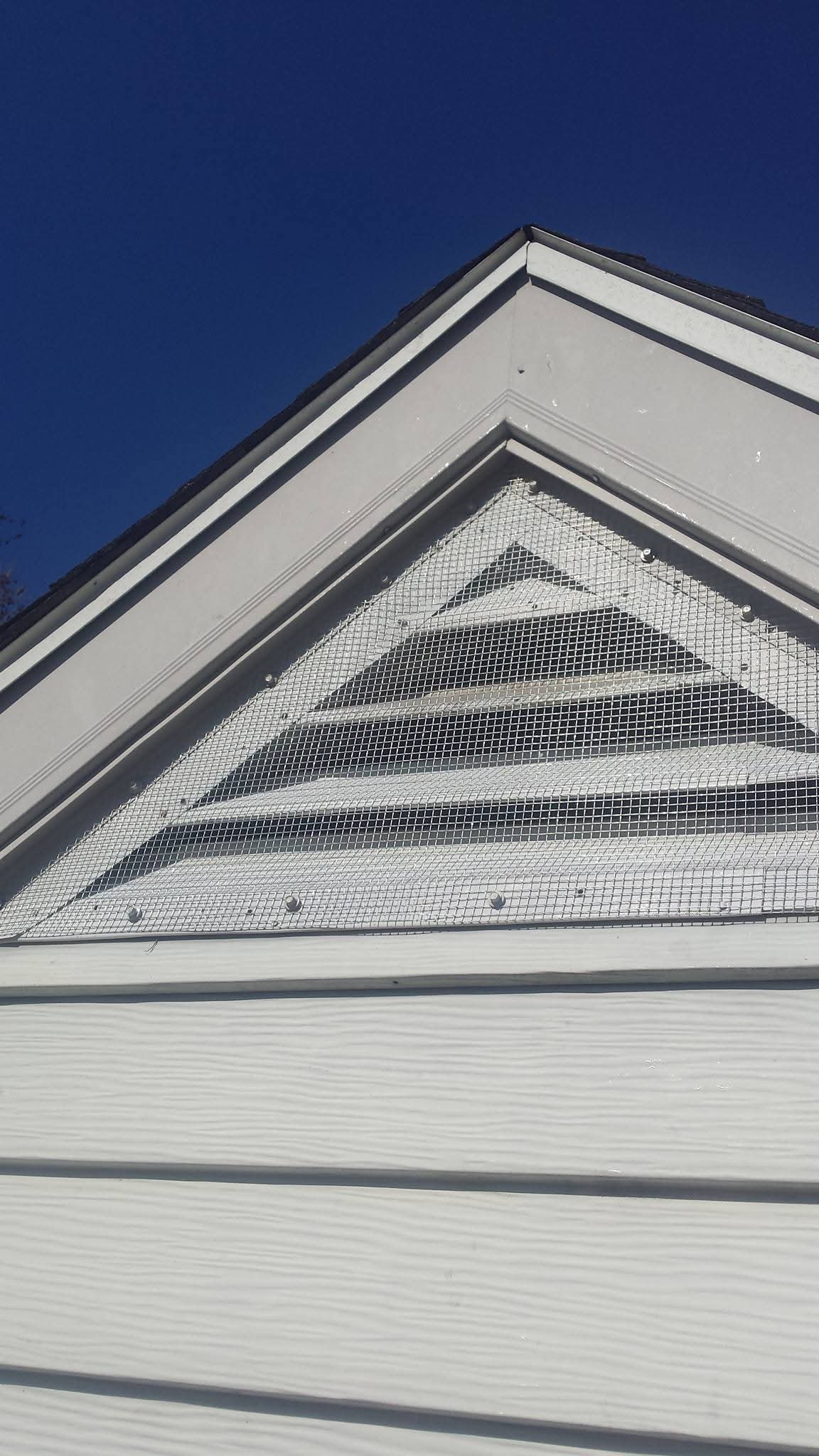
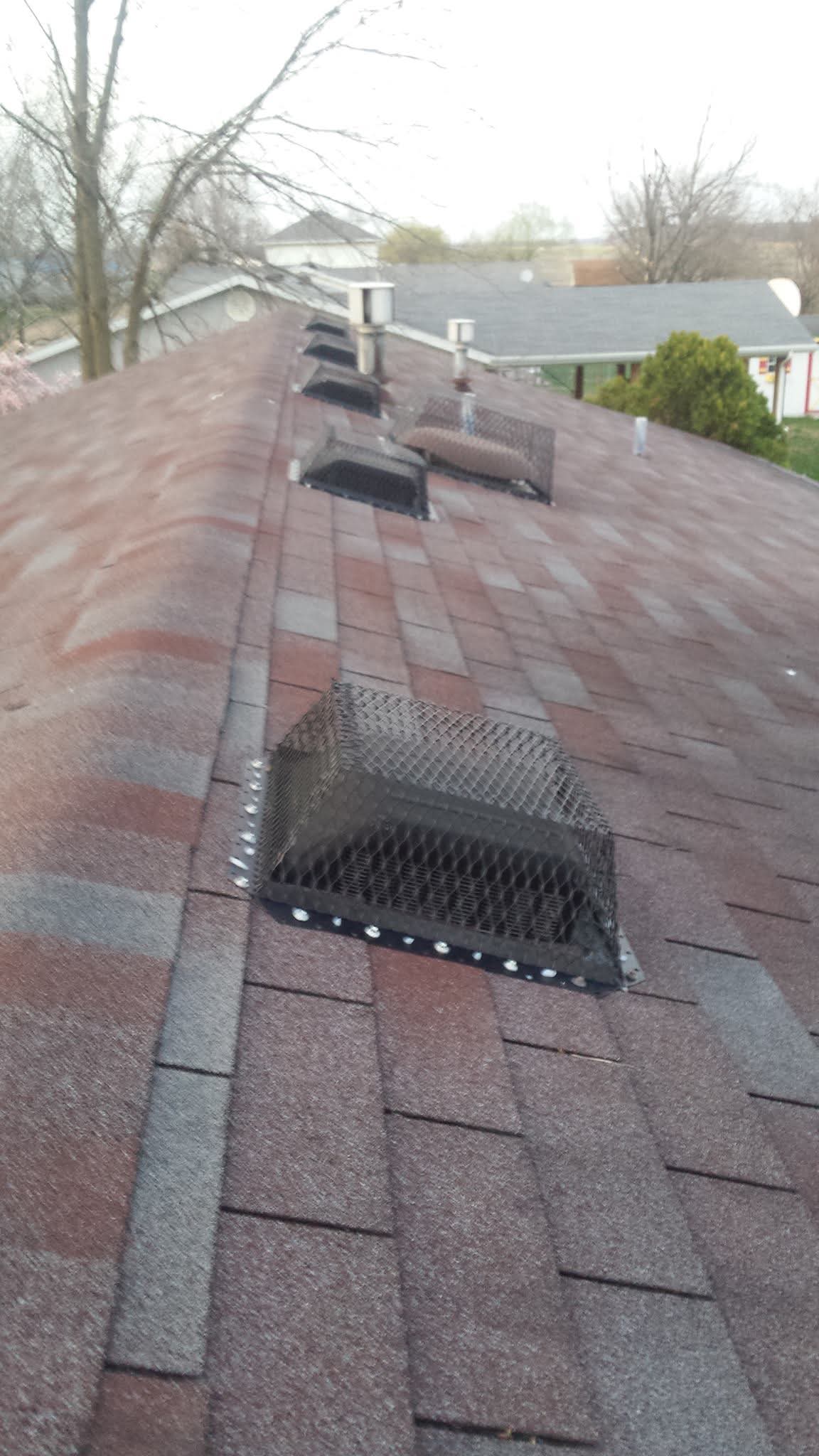
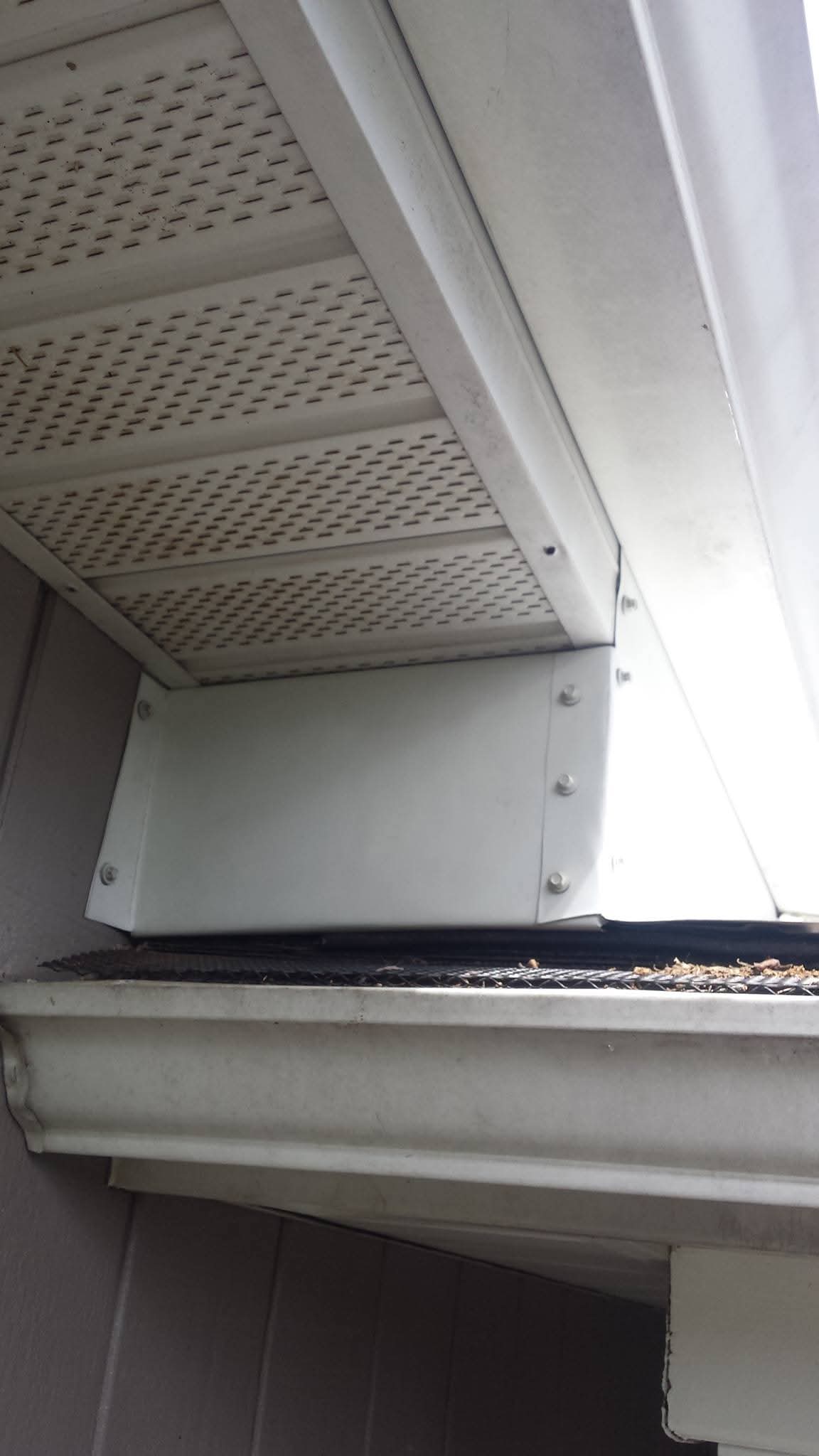
Raccoon Exclusion & Prevention
Removing a raccoon solves the immediate problem. Keeping another one from getting in means addressing the weak points around your home that made access possible in the first place.
Raccoons are strong and persistent, and they can take advantage of surprisingly small openings around rooflines, soffits, vents, chimneys, and other vulnerable areas. If those openings are left unaddressed, the same problem can happen again.
Heidel’s can inspect the areas around your home where wildlife is most likely to get in and recommend repairs or exclusion work to help make those areas more secure.
Depending on the situation, that may include:
Repairing damaged soffits, vents, or other entry points
Securing vulnerable areas around the roofline
Closing openings that wildlife may be using to access the attic
Reinforcing areas that have already been damaged
Looking for other potential entry points before they become a problem
The goal is not just to get the raccoon out. It’s to help make your home harder for raccoons and other nuisance wildlife to get into in the future.
Raccoon Removal FAQ
How do I know if I have a raccoon in my attic?
Common signs include scratching, thumping, or movement in the attic, especially at night. You may also notice damage around soffits, vents, rooflines, or other areas where a raccoon could get into the home.
What should I do if I hear a raccoon in my attic?
Avoid trying to handle or remove the animal yourself. Give Heidel’s a call so we can help identify what is inside, determine how it is getting in, and recommend the safest next steps.
What kind of damage can raccoons cause?
Raccoons can damage soffits, vents, roofing, insulation, and other areas of a home while getting inside or moving around an attic. They can also leave behind droppings, odors, and other messes that may need to be addressed after the animal is removed.
How do raccoons get into a house?
Raccoons often use weak or damaged areas around soffits, rooflines, vents, chimneys, and other openings. They are strong animals and may enlarge an existing opening to gain access to a protected space such as an attic.
Can Heidel’s repair the damage after the raccoon is removed?
Yes. Heidel’s does more than wildlife removal. When needed, we can repair damage caused by wildlife and address entry points to help keep animals from getting back into your home.
How do you keep raccoons from coming back?
Once the immediate wildlife problem is addressed, Heidel’s can identify vulnerable areas and recommend repair or exclusion work to make the home more difficult for raccoons and other nuisance wildlife to enter.
How much does raccoon removal cost?
The cost depends on the situation, including where the raccoon is located, how it is getting into the property, and whether repairs or exclusion work are needed. Contact Heidel’s at 1 (618) 314-3163 so we can learn more about the problem and recommend the appropriate next step.
What areas do you provide raccoon removal service in?
Heidel’s serves homeowners throughout Alton, Godfrey, Edwardsville, Highland, and surrounding communities in the Metro East area. If you are unsure whether your property is within our service area, just give us a call. 1 (618) 314-3163
Get Help With Your Raccoon Problem
Heidel’s Wildlife Control Service has been helping homeowners deal with nuisance wildlife for more than 30 years. We provide raccoon removal, damage repair, and exclusion services throughout Alton, Godfrey, Edwardsville, Highland, and surrounding communities.
Whether you’re hearing something in the attic, have found damage around your home, or already know you have a raccoon problem, we’re ready to help you figure out the next step.