
Bat Removal in Alton & the Metro East
Hearing scratching or fluttering in the attic? Seeing bats leaving your roofline around dusk? Bat problems require a different approach than many other types of nuisance wildlife.
At Heidel’s Wildlife Control Service, we help homeowners identify where bats are getting into the structure, safely and humanely exclude them at the proper time, seal entry points, and help prevent them from returning.
From Alton and Godfrey to Edwardsville, Highland, and surrounding Metro East communities, Heidel’s provides experienced bat removal and exclusion services designed to protect both your home and the bats.
Signs You May Have Bats
Bats are most active around dusk and during the night, so homeowners may notice signs of activity without ever seeing where the bats are roosting.
Bats can use surprisingly small openings to get into a structure. If you are seeing activity but aren’t sure where they are getting in, Heidel’s can inspect the home, identify likely entry points, and help determine the right next step.
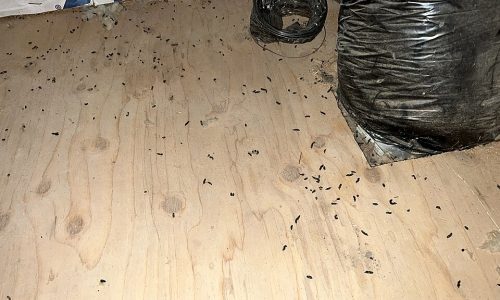
Common signs of bats in or around a home can include:
- Bats flying from the roofline, soffits, vents, or other openings around dusk
- Scratching, squeaking, or fluttering sounds in the attic or walls
- Bat droppings beneath a roosting or entry area
- Dark staining around small openings where bats regularly enter and exit
- A bat appearing inside the living area of the home
- Repeated bat activity around the same part of the house at dusk
Why Bats Get Into Homes
Bats naturally look for quiet, protected places to rest and raise their young. Attics, wall spaces, rooflines, chimneys, and other sheltered areas around a home can provide the kind of protection they are looking for. Unlike raccoons or squirrels, bats usually do not tear their way into a house. Instead, they take advantage of small gaps and openings that are already there.
That can include areas around:
- Soffits and fascia
- Rooflines
- Vents
- Chimneys
- Flashing
- Utility penetrations
- Gaps where building materials meet
Because bats can fit through very small openings, finding the actual entry points is an important part of solving the problem. Simply addressing the bat you see does not necessarily address the colony or the openings allowing bats into the structure.
Bat Problems & Why They Matter
Bats are an important part of the environment and help control insect populations, but a bat colony inside your home can still create problems that need to be addressed.
Over time, bats roosting in an attic or other enclosed area may leave behind droppings and urine, which can create odors, staining, and cleanup concerns.
Bat droppings can also be associated with Histoplasma, the fungus that causes histoplasmosis, particularly when contaminated material is disturbed.
There is also a potential rabies concern whenever a bat enters the living space of a home or may have had contact with a person or pet.
If a bat has been inside an occupied room, avoid handling or releasing it until the situation has been evaluated. Your local health department or animal control can help determine whether rabies testing or other precautions are needed.
The important thing is to address the problem correctly rather than simply trying to chase bats out or seal an opening while they are still inside.
How Heidel’s Handles Bat Problems
Every bat situation is different. Heidel’s starts by determining where the bats are roosting, how they are entering the structure, and whether the time of year allows permanent exclusion to be performed.
30+
YEARS OF EXPERIENCE
100%
CUSTOMER SATISFACTION
100%
HUMANE REMOVAL
Identify the Bat Activity
We inspect the property for signs of bat activity and determine where bats are entering and exiting the structure.
Find the Entry Points
Bats can use very small gaps around rooflines, soffits, vents, flashing, and other parts of a home. Finding those openings is one of the most important parts of a successful bat exclusion.
Exclude the Bats
When conditions and the time of year allow, bats are excluded using methods that allow them to leave the structure without being able to get back inside.
Seal & Protect the Home
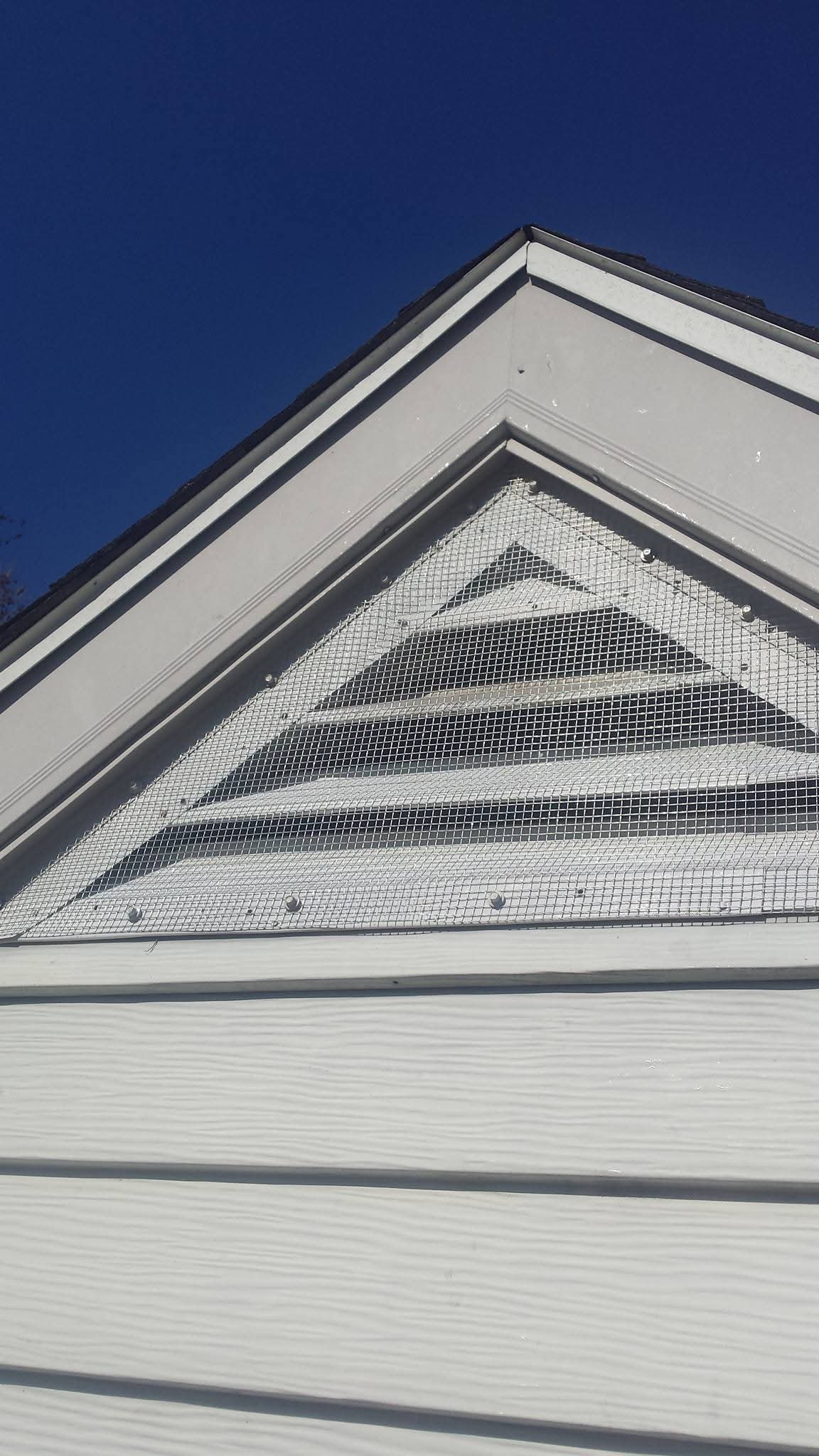
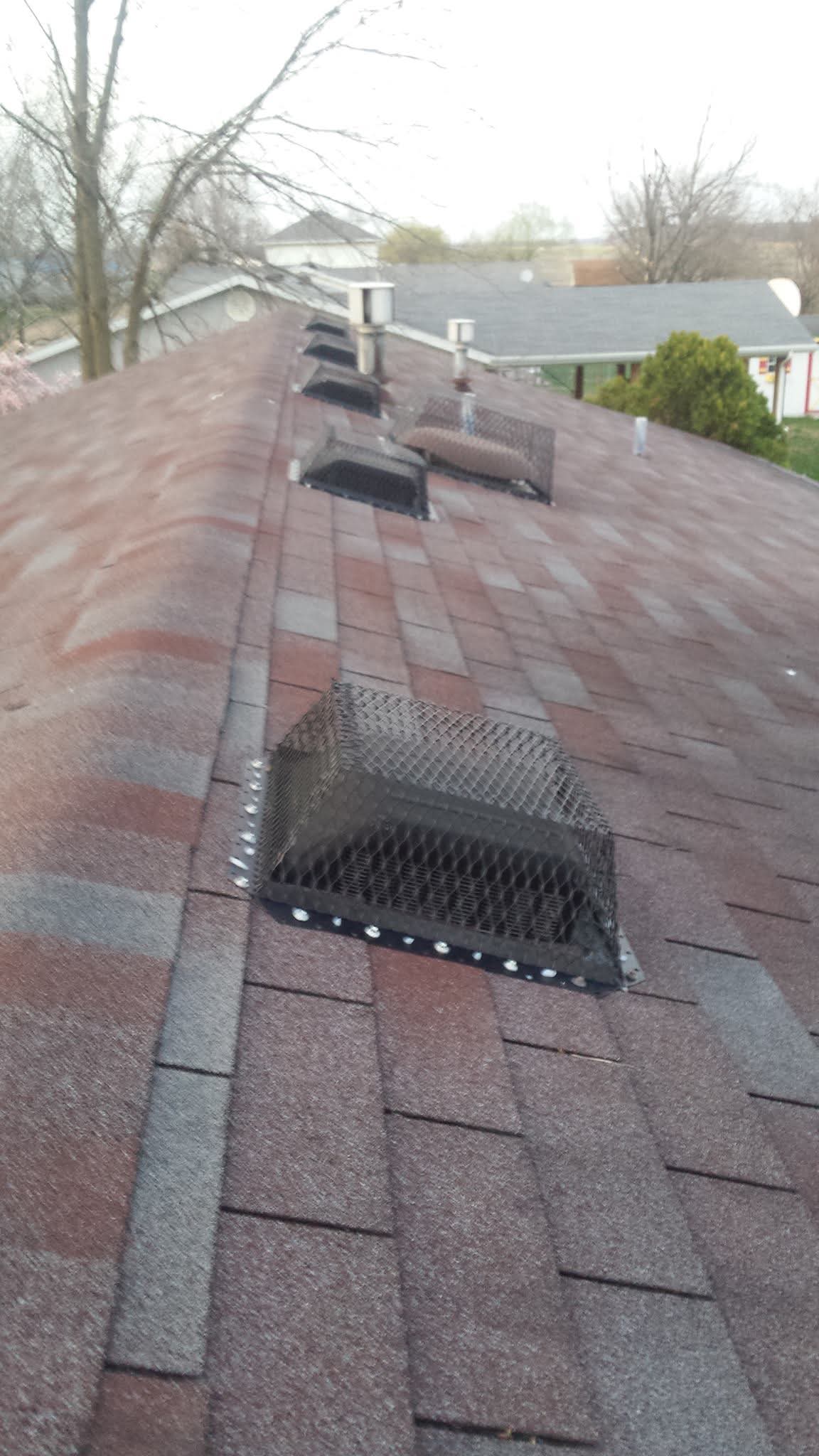
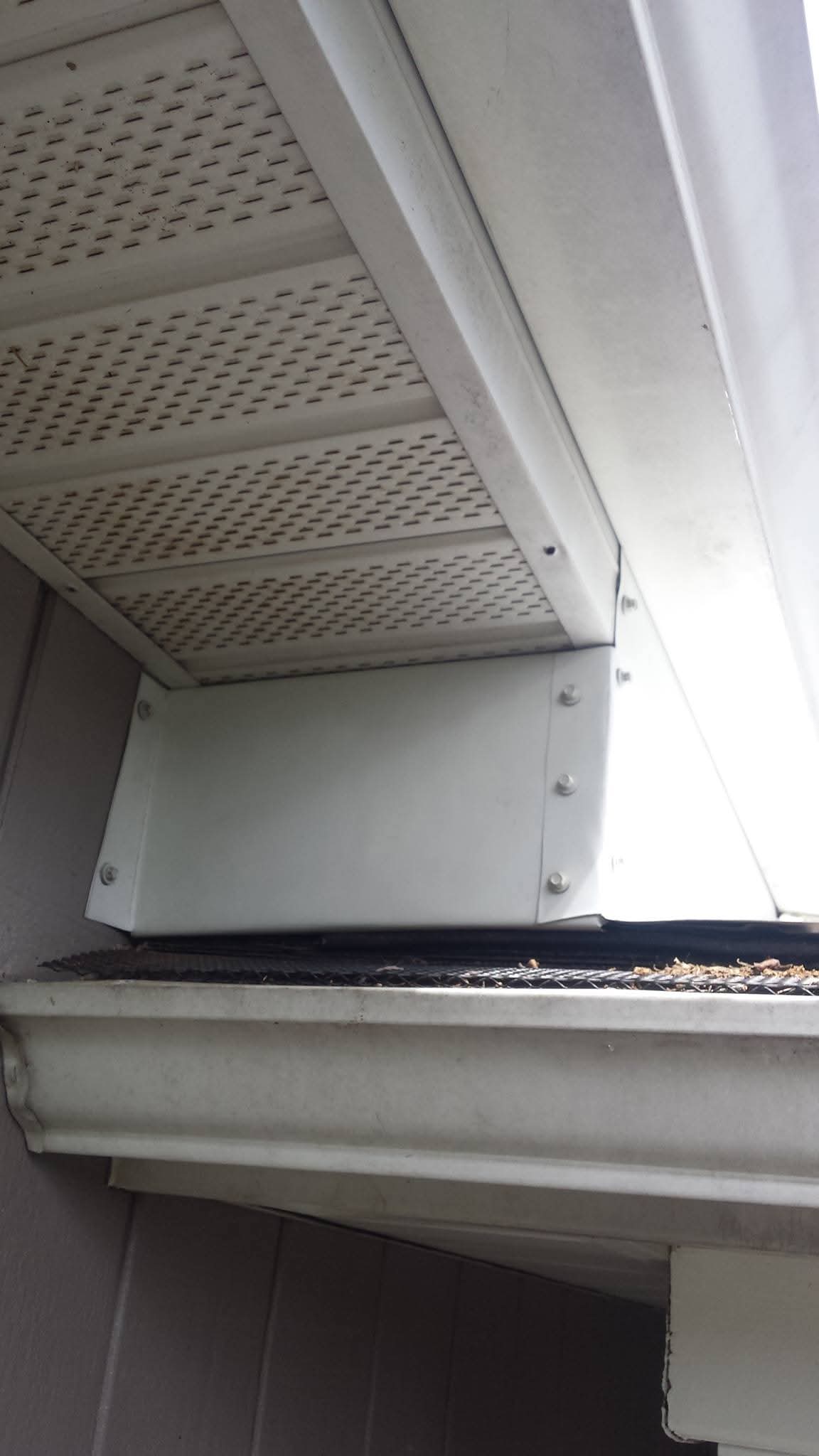
After the bats have safely exited, entry points can be properly sealed and vulnerable areas addressed to help prevent another colony from moving into the same space.
The goal is not simply to get bats out for the night. It is to solve the problem in a way that is humane, effective, and appropriate for the season.
Bat Removal Is Really Bat Exclusion
People commonly search for bat removal, but a colony of bats living in an attic generally is not handled by trapping and physically removing each animal.
The preferred method is bat exclusion.
During an exclusion, the bats are allowed to leave the structure through specially managed exit points but are prevented from returning. Once the colony has exited, those openings can be permanently sealed.
This approach matters because bats in Illinois are protected wildlife, and permanent exclusion from an attic or other non-living portion of a home must be performed at the appropriate time of year.
When Can Bats Be Excluded in Illinois?
According to the Illinois Department of Public Health, permanent bat eviction from a non-living space such as an attic can generally take place:
March 15 through May 15
when temperatures are above 50°F at dusk
August 5 through October 30
when temperatures are above 50°F at dusk
The summer restriction helps protect bat pups that may still be unable to fly. Excluding the adult bats during that period could leave young bats trapped inside the structure.
That is why timing is such an important part of professional bat control. Heidel’s can evaluate the situation and determine what work can be done now and what may need to wait until the proper exclusion window.
Bat Exclusion & Prevention
Getting bats out is only part of the job. A successful exclusion also means identifying and addressing the openings that allowed them into the structure in the first place.
Depending on the home, that may include:
Sealing gaps around soffits and rooflines
Securing vents and other openings
Repairing damaged or vulnerable areas
Closing gaps around flashing or building materials
Addressing additional potential entry points before bats begin using them
Bat exclusion requires attention to detail. Missing even one active opening can allow the problem to continue.
Heidel’s looks at the whole structure so the solution is not simply about removing bats today, but helping keep them from returning tomorrow.
Bat Removal FAQs
Can bats be removed from an attic at any time of year?
Bat colonies are generally handled through exclusion rather than trapping. A properly performed exclusion allows the bats to leave the structure naturally while preventing them from returning. Once the bats are out, the entry points can be sealed.
Why can't you just trap and relocate bats?
A bat inside an occupied living area is different from a colony living in an attic. Avoid direct contact with the bat. If there may have been contact with a person or pet, do not release it until you have spoken with your local health department or animal control so the potential exposure can be evaluated.
What if I have a bat flying inside my house?
A bat inside an occupied living area is different from a colony living in an attic. Avoid direct contact with the bat. If there may have been contact with a person or pet, do not release it until you have spoken with your local health department or animal control so the potential exposure can be evaluated.
How are bats getting into my attic?
Bats can enter through very small gaps around soffits, vents, flashing, chimneys, rooflines, and other places where building materials meet. They generally take advantage of existing openings rather than creating large openings themselves.
Do bats cause damage to a home?
Bats usually do not cause the same type of chewing or structural damage associated with squirrels or raccoons. However, a colony can leave behind droppings and urine that may cause staining, odors, and cleanup concerns. Entry points also need to be addressed to prevent continued wildlife access.
Will sealing the hole get rid of the bats?
Simply sealing an active entry point can trap bats inside the structure, which can make the problem worse. Active openings should be handled as part of a properly timed exclusion so the bats have an opportunity to leave before the openings are permanently sealed.
Will bats come back after exclusion?
They can if entry points remain available. That is why Heidel’s identifies and addresses the openings bats are using along with other vulnerable areas that could provide future access.
What areas does Heidel’s provide bat removal service in?
Heidel’s provides bat removal and exclusion services throughout Alton, Godfrey, Edwardsville, Highland, and surrounding Metro East communities. If you are unsure whether your property is within our service area, give us a call.
Get Help With Your Bat Problem
Heidel’s Wildlife Control Service has been helping homeowners throughout the Metro East deal with nuisance wildlife for more than 30 years. Bat problems require patience, proper timing, and a thorough understanding of how bats are using the structure. Heidel’s can help identify the problem, explain the appropriate next steps, and perform exclusion and repair work when conditions allow.
Whether you have discovered bats in the attic, are seeing them leave your roofline at dusk, or had a bat appear inside your home, we can help you determine what to do next.